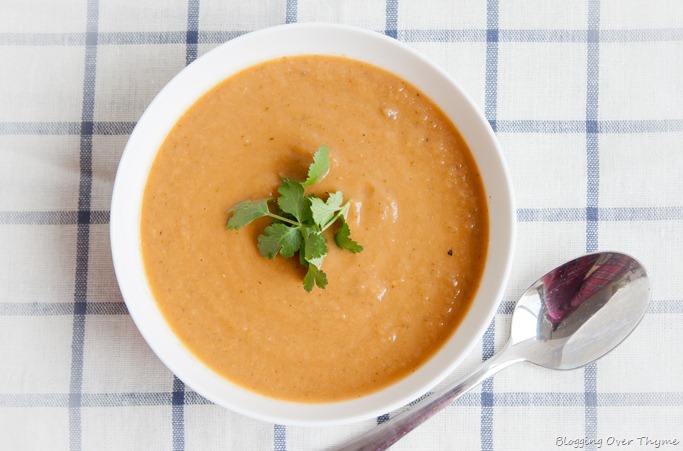
The Versatile Delight of Roasted Eggplant Soup: Hot, Chilled, and Freezer-Friendly
There are few dishes that can effortlessly transition from a comforting warm bowl on a chilly evening to a refreshing chilled starter for a summer gathering. Even fewer gracefully lend themselves to batch cooking and freezing for future enjoyment. Yet, roasted eggplant soup achieves all this and more. This remarkably versatile and flavorful soup has earned its place as a family favorite, celebrated for its rich, smoky depth, creamy texture, and incredible ease of preparation. Whether you're a seasoned chef or a home cook looking to make the most of your garden's bounty, this comprehensive guide will help you master a recipe that’s as adaptable as it is delicious.
Unlocking Flavor: The Magic of Roasted Vegetables
The secret to an exceptionally flavorful roasted eggplant soup lies in its primary cooking method: roasting. This transformative technique caramelizes the natural sugars in vegetables, intensifying their flavors and adding a beautiful smoky nuance that can't be achieved through simple boiling or steaming. For this soup, the stars of the show are typically eggplant and garlic, often joined by sweet carrots, creating a robust foundation for the creamy broth to come.
- Eggplant's Transformation: Roasting the eggplant mellows its sometimes-bitter notes, making it incredibly tender and infusing it with a deep, earthy sweetness. You can use large globe eggplants readily available at most grocery stores; pureeing the soup later will eliminate any concern about the seeds. For an extra layer of flavor, rubbing the eggplant halves with olive oil and ground toasted cumin seeds (or regular ground cumin) before roasting adds an aromatic warmth.
- Garlic's Golden Touch: Roasting garlic cloves alongside the eggplant turns them sweet and mild, losing their pungent bite and contributing a rich, mellow flavor that permeates the entire soup.
- Carrots for Sweetness and Color: Adding carrots to the roasting pan introduces a natural sweetness and a lovely orange hue, enriching both the flavor profile and the visual appeal of your soup. The high sugar content of carrots makes them caramelize beautifully, adding complexity.
The roasting process itself is wonderfully simple: chopped eggplant, carrots, and minced garlic (or whole cloves) are tossed with a drizzle of olive oil, salt, and pepper, then spread on a baking sheet. Thirty minutes in a hot oven, with a flip halfway through, is usually all it takes to achieve that perfect golden-brown, tender state.
Crafting Your Creamy Roasted Eggplant Soup: A Step-by-Step Guide
Once your vegetables are beautifully roasted, the rest of the roasted eggplant soup comes together with surprising speed. The beauty of this recipe is its adaptability, allowing you to create a soup that perfectly suits your taste and dietary preferences.
- Build the Creamy Base: In a large soup pot, start by melting butter (or olive oil for a dairy-free option). Whisk in a small amount of flour to create a roux, which will help thicken the soup. Gradually add vegetable broth and milk (dairy or plant-based, such as oat or almond milk for a Creamy Roasted Eggplant Soup: An Easy Family Favorite that's also vegan-friendly), stirring constantly until the mixture thickens and becomes wonderfully creamy. For a Healthy Roasted Eggplant Soup: Pureed Perfection from Scratch, you can also opt for a lighter base by reducing or omitting the roux and relying more on the pureed vegetables and just broth for thickness.
- Introduce Aromatics: While your vegetables are roasting, you can sauté finely diced onions and celery in a separate pan until softened. These aromatics build another layer of flavor into the soup's foundation.
- Combine and Puree: Add your roasted eggplant, garlic, and carrots, along with the sautéed onions and celery (if using), to the creamy broth in the pot. For additional fresh flavor, you can also toss in fresh herbs like parsley and cilantro, even stems and all, as they will be pureed.
- Blend to Perfection: Using an immersion blender directly in the pot, or carefully transferring the soup in batches to a standard blender, puree the mixture until it’s silky smooth. This step ensures a velvety texture, eliminating the need to worry about any remaining eggplant seeds.
- Season and Adjust: Taste your roasted eggplant soup and adjust seasonings. A splash of white balsamic vinegar can add a bright, tangy note that beautifully balances the richness. A pinch of ground cayenne pepper can provide a subtle warmth and 'punch' if you like a little heat. Continue to cook gently for a few more minutes, allowing the flavors to meld.
Pro Tip: To transform this soup into a more substantial main meal, consider doubling the recipe. Serve it alongside a crisp green salad or with thick slices of warm, crusty whole-grain bread for dipping.
Serving Suggestions & Smart Storage: Hot, Chilled, and Freezer-Friendly
The true genius of roasted eggplant soup lies in its remarkable adaptability for serving and storage, making it a perfect dish for meal prepping or entertaining.
Enjoy it Your Way: Hot or Chilled
- Served Hot: A steaming bowl of this creamy soup is the epitome of comfort food. It’s perfect for a cozy dinner, especially during cooler months. Pair it with warm dinner rolls, garlicky croutons, or a grilled cheese sandwich for a truly satisfying meal. The rich, earthy flavors are wonderfully comforting when hot.
- Served Chilled: For warm-weather gatherings or as a refreshing starter, chilling the soup allows the flavors to deepen and harmonize beautifully. The smoky eggplant, bright vinegar, and fresh herbs become even more pronounced. Serve it in small bowls or shot glasses for an elegant presentation. Top with a garnish of finely diced fresh, juicy tomatoes and an optional drizzle of balsamic glaze for a tangy, vibrant finish.
Smart Storage: Freezer-Friendly for Future Enjoyment
One of the most appealing aspects of roasted eggplant soup is how well it stores, saving you time and effort on busy days.
- Refrigerator Storage: Leftover soup can be stored in an airtight container in the refrigerator for 3-4 days. Reheat gently in a saucepan on the stovetop over low heat, stirring occasionally, or use the microwave in short bursts, stirring between each.
- Freezer Storage: This soup freezes exceptionally well! Once cooled completely, transfer it to freezer-safe bags (laying them flat for easy stacking) or airtight containers. It will maintain its quality for up to 6 months. When you're ready to enjoy, simply defrost it in the microwave or overnight in the refrigerator, then reheat on the stovetop until warmed through. The texture remains remarkably creamy even after freezing and thawing, making it an ideal candidate for batch cooking.
Conclusion
From its humble beginnings in the garden to its versatility on the dining table, roasted eggplant soup is a testament to the power of simple, wholesome ingredients transformed by clever cooking techniques. Whether you prefer it piping hot or refreshingly chilled, or appreciate the convenience of having a healthy, delicious meal ready in the freezer, this recipe delivers on all fronts. Its smoky depth, creamy texture, and balanced flavors make it a delightful experience for any palate. So go ahead, embrace the magic of roasted eggplant, and add this incredible soup to your culinary repertoire. You’ll be glad you did.
